Medical Oncology Explained: The Vital Role of Chemotherapy in Modern Cancer Treatment
The landscape of cancer care has undergone a massive transformation over the last few decades. While the word “cancer” once carried a sense of absolute finality, modern medical oncology has turned many forms of the disease into manageable conditions and, in many cases, achievable cures. At the heart of this progress is medical oncology—a specialized branch of medicine dedicated to diagnosing, assessing, and treating cancer using systemic therapies. Among these therapies, chemotherapy remains a foundational pillar, evolving from a broad-brush approach to a sophisticated, targeted tool in the oncologist’s arsenal.
Understanding the Domain of Medical Oncology
Medical oncology is more than just the administration of medicine; it is the coordination of a patient’s entire journey. A medical oncologist acts as the primary lead in a multidisciplinary team, working alongside surgeons and radiation oncologists to create a comprehensive treatment plan. This field focuses on using systemic treatments—meaning medicines that travel through the bloodstream to reach cancer cells throughout the entire body.
In the modern era, medical oncology has expanded to include immunotherapy, targeted therapy, and hormone therapy. However, chemotherapy continues to be one of the most reliable and widely utilized methods for controlling cell growth. To understand its role today, one must look at how it integrates with new technologies to provide better outcomes with fewer side effects.
What is Chemotherapy?
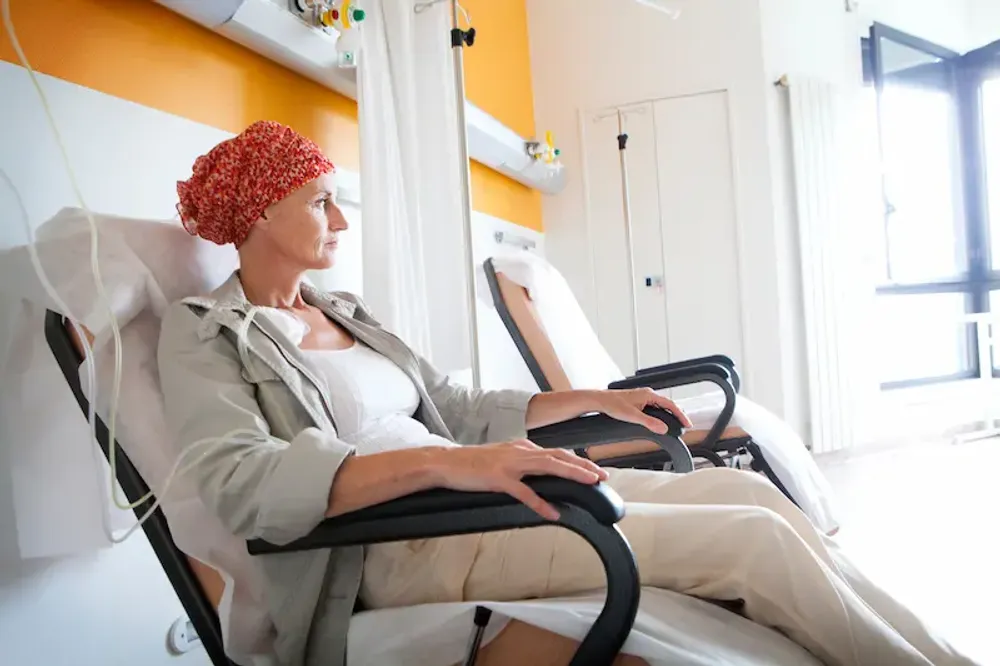
In its simplest form, chemotherapy is the use of powerful drugs to destroy rapidly growing cells in the body. Since cancer cells divide and multiply much faster than most normal cells, they are particularly susceptible to these medications.
Unlike surgery or radiation therapy, which are “local” treatments because they target a specific tumor in a specific location, chemotherapy is “systemic.” This is its greatest strength. It can seek out microscopic cancer cells that may have broken away from the original tumor and migrated to other parts of the body, even before they are detectable on a scan.
The Role of Chemotherapy in Modern Treatment Plans
In contemporary cancer care, chemotherapy is rarely used in a vacuum. Its role is often strategic, designed to work in tandem with other modalities.
1. Neoadjuvant Therapy (Shrinking Before Surgery)
In many cases, an oncologist will prescribe chemotherapy before a patient undergoes surgery. This is known as neoadjuvant therapy. The goal is to shrink a large tumor to a size that makes it easier and safer for a surgeon to remove. This approach can often mean the difference between needing a radical, life-altering surgery and a more conservative, organ-sparing procedure.
2. Adjuvant Therapy (Preventing Recurrence)
Even after a successful surgery where the visible tumor is removed, “seeds” of cancer may remain. Adjuvant chemotherapy is administered after the primary treatment to kill any lingering cells. This significantly lowers the risk of the cancer returning in the future.
3. Palliative Care
For advanced stages of cancer where a complete cure may not be the immediate goal, chemotherapy plays a crucial role in palliation. Here, the focus shifts to improving the quality of life by shrinking tumors that cause pain, pressure, or functional issues. Modern oncology has made great strides in ensuring that palliative chemo manages symptoms while minimizing toxicity.
Innovations Improving the Patient Experience
One of the biggest hurdles in medical oncology has historically been the side effects of treatment. However, the “modern” aspect of modern cancer treatment lies in how these drugs are managed.
Today’s oncologists use highly specific dosing schedules and “pre-medications” to prevent nausea and allergic reactions before they even start. Furthermore, the development of “Metronomic Chemotherapy”—giving lower, more frequent doses—helps attack the blood vessels feeding the tumor while being much gentler on the patient’s body.
We are also seeing the rise of “Chemo-immunotherapy” combinations. By using chemotherapy to break down the protective barriers of a tumor, the body’s immune system (boosted by immunotherapy) can more easily recognize and attack the cancer. This synergistic approach is currently setting new standards for survival rates in lung, breast, and blood cancers.
Why Expertise Matters: Choosing a Cancer Specialist in Pune
Choosing where to receive treatment is the most critical decision a patient makes. Cancer care is not just about the drugs; it is about the precision with which they are administered. A specialized Oncologist in Pune understands the nuances of various cancer subtypes and tailors the chemotherapy “cocktail” to the individual’s genetic makeup and overall health profile.
At a dedicated center, the Cancer specialist in Pune works closely with the Radiation Oncologist in Pune to ensure that if Radiation therapy in Pune is required, it is timed perfectly with the chemotherapy cycles. This “chemoradiation” approach is often the gold standard for treating cancers of the head, neck, and pelvic regions.
The Emotional and Physical Support System
Modern medical oncology recognizes that a patient is a person, not just a diagnosis. Treatment today involves a holistic approach that includes nutritional counseling, psychological support, and pain management. The goal of a modern cancer center is to ensure that while the chemotherapy is fighting the disease, the patient’s spirit and physical strength are being preserved.
Advancements in supportive care mean that many patients can now continue their daily lives, and sometimes even work, while undergoing treatment. This shift from “hospital-bound” treatment to “outpatient-focused” care has drastically improved the mental well-being of those fighting the disease.
Conclusion
The evolution of medical oncology has turned chemotherapy from a feared treatment into a sophisticated and life-saving tool. When integrated correctly with surgery and radiation, it offers the best chance for long-term remission and a high quality of life. As research continues to advance, the precision of these treatments will only improve, offering even more hope to patients and their families.
If you or a loved one are seeking expert guidance and compassionate care, it is essential to consult with a team that stays at the forefront of these medical advancements. Comprehensive cancer care requires a blend of technology, expertise, and a human touch to navigate the journey toward recovery.
For world-class expertise and personalized treatment plans, reach out to the specialists who prioritize your health and recovery above all else.
Contact Details: Client Name: Cancer Care Pune
Address: Shop no, Fortuna Business center, 305, Wakad – Nashik Phata BRTS Rd, Shivar chouk, Pimple Saudagar, Pimpri-Chinchwad, Maharashtra 411027
Phone No: +91 98902 33887
Recent Posts
-
 What Not to Say to a Loved One With Cancer: A Guide for Well-Meaning Friends and Relatives in Pune
 -
 “Will I Lose All My Hair?” A Patient-to-Patient Guide to Managing Hair Loss, Wigs, and Self-Esteem During Chemo.
 -
 How to Tell Your Family You Have Cancer: A Compassionate Guide to Having the Hardest Conversation of Your Life
 -
 Is Cancer Increasing in Young Adults? Here’s the Shocking Truth
 -
 Indian Diet Plan for Cancer Patients (Simple & Practical)