What Not to Say to a Loved One With Cancer: A Guide for Well-Meaning Friends and Relatives in Pune
Imagine sitting at a quiet café in Pimple Saudagar, catching up with a dear friend. The conversation is warm, until they gently drop a bombshell: “I have been diagnosed with cancer.” Your heart drops. Your mind races. In a frantic bid to offer comfort, fill the awkward silence, and wash away their fear, you blurts out: “Don’t worry, you are a warrior! You will beat this easily!” You meant it with all your heart. But on the other side of the table, your friend’s smile falters, and they suddenly feel incredibly isolated.
When a friend, colleague, or relative in Pune discloses a cancer diagnosis, our natural human instinct is to fix it. We want to inject immediate optimism or share a story about a distant relative who cured themselves with a miraculous diet. However, leading global and Indian support networks—including CanSupport India, Tata Memorial Centre (TMC), and Macmillan Cancer Support—all agree on one crucial truth: Well-meaning words can sometimes hurt the most.
To help you navigate these sensitive emotional waters, we have put together a guide on what not to say to a cancer patient, and what you should say instead to offer genuine, comforting support.
- Avoid Toxic Positivity: “Just Stay Positive and Fight!”
While it sounds encouraging, telling someone to “stay positive” places an unfair emotional burden on them.
- Why it hurts: According to the Cancer Support Community Blog, patients feel as though they aren’t allowed to feel sad, angry, or scared. It implies that if their treatment encounters a setback, it is somehow due to their “bad attitude.” Cancer is a biological reality, not a test of willpower.
- What to say instead: “It’s completely okay to feel scared or angry. I am here for you on the good days and the bad days alike.”
- Don’t Play the Internet Doctor: “Have You Tried Giving Up Sugar/Yoga/Herbs?”
As soon as word gets out about a diagnosis, everyone from neighbors in Wakad to WhatsApp groups starts offering unsolicited medical advice.
- Why it hurts: Oncology is incredibly complex. Insights from ZenOnco.io and Onco.com reveal that patients already feel overwhelmed by treatment decisions. Suggesting unverified alternative therapies can make them feel guilty about their chosen medical path or distrustful of scientific care.
- What to say instead: Avoid medical advice altogether unless asked. Leave the science to a qualified Cancer Specialist. If they express anxiety about their treatment options, gently remind them that they can seek an authoritative second opinion or an Online Oncologist Consultation to find peace of mind.
- Stop Sharing Horror Stories: “My Uncle Had the Same Thing and…”
It is a common habit: we try to relate to someone’s pain by sharing a story about someone else who had cancer. Unfortunately, these stories often end with, “…and it was terrible.”
- Why it hurts: No two cancer journeys are identical. As Cancer.net (ASCO) points out, even the same type of cancer behaves differently based on staging, genetics, and age. Sharing horror stories only amplifies their existential anxiety.
- What to say instead: “I don’t know exactly what you’re going through, but I am here to listen to your unique story.”
- Don’t Say: “Let Me Know If You Need Anything”
This is perhaps the most common phrase used by friends and relatives across Pune. While polite, it puts the work back on the patient.
- Why it hurts: A patient undergoing intensive cycles of Chemotherapy or recovering from a major Cancer Surgery rarely has the energy to look through their contacts, call someone, and ask for a favor. They don’t want to feel like a burden.
- What to say instead: Offer specific, actionable help.
- “I am driving past Pimple Saudagar tomorrow afternoon. Can I drop off home-cooked dinner for your family?”
- “Let me handle picking up the kids from school this week.”
- “Can I drive you to your next Radiation Therapy appointment at the Fortuna Business Center?”
- Avoid Physical Comments: “You’ve Lost So Much Weight!” or “You Look Great!”
Cancer treatments alter a person’s physical appearance—hair loss, weight fluctuations, and pale skin are common.
- Why it hurts: Commenting on their appearance, even when you think it sounds like a compliment (“At least you look thin!”), reminds them that their body is changing against their will.
- What to say instead: Focus on their presence, not their looks. “It is so wonderful to sit down and see you today. I’ve missed your company.”
Recognizing When Dynamic Care is Needed
Sometimes, despite the best efforts of friends and family, a loved one may experience intense physical distress or pain from their illness. In these moments, instead of trying to offer casual platitudes, the best thing a relative can do is advocate for their absolute comfort.
Organizations like the Indian Cancer Society (ICS) and Cancer Patients Aid Association (CPAA) highly advocate for incorporating structured Palliative Care early in the treatment cycle. This specialty focuses entirely on relieving pain, managing treatment side effects, and improving the day-to-day quality of life for the patient, ensuring they feel supported both medically and emotionally.
Final Thoughts: The Gift of Silent Presence
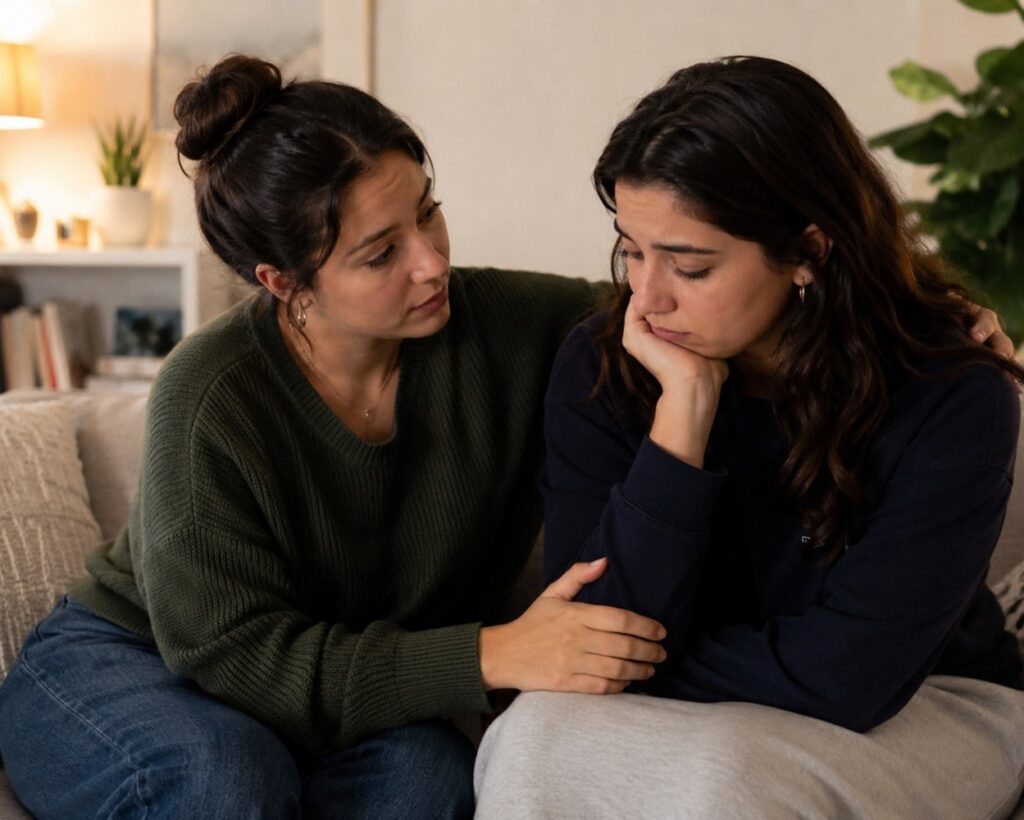
At the end of the day, you do not need to say the perfect words. You just need to show up. Sit with them, hold their hand, watch a movie together, or talk about normal local news in Pune without mentioning their illness at all. Let them lead the conversation.
If your loved one is currently navigating a diagnosis and needs compassionate, scientifically backed medical counsel, encourage them to speak to a professional Oncologist who can guide the entire family with clarity and care.
About Dr. Jagdish Shinde
When a family faces cancer, they need more than just medical prescriptions—they need an experienced guide. Dr. Jagdish Shinde is recognized as one of the Best Oncologist in Pune. He completed his MBBS from the prestigious B. J. Medical College, Pune, and went on to complete his MD and DMRT in Radiation Oncology from the renowned Government Medical College and Regional Cancer Centre, Thiruvananthapuram, where he stood First in the University. With a stellar academic record and extensive experience as a primary investigator in international clinical trials, Dr. Shinde provides world-class care combined with deep clinical empathy.
Contact Cancer Care Pune
- 📍 Address: Shop no, Fortuna Business center, 305, Wakad – Nashik Phata BRTS Rd, Shivar chouk, Pimple Saudagar, Pune 411027
- 📞 Phone: +91 9890233887
- 🌐 Website: Cancer Care Pune
Recent Posts
-
 What Not to Say to a Loved One With Cancer: A Guide for Well-Meaning Friends and Relatives in Pune
 -
 “Will I Lose All My Hair?” A Patient-to-Patient Guide to Managing Hair Loss, Wigs, and Self-Esteem During Chemo.
 -
 How to Tell Your Family You Have Cancer: A Compassionate Guide to Having the Hardest Conversation of Your Life
 -
 Is Cancer Increasing in Young Adults? Here’s the Shocking Truth
 -
 Indian Diet Plan for Cancer Patients (Simple & Practical)