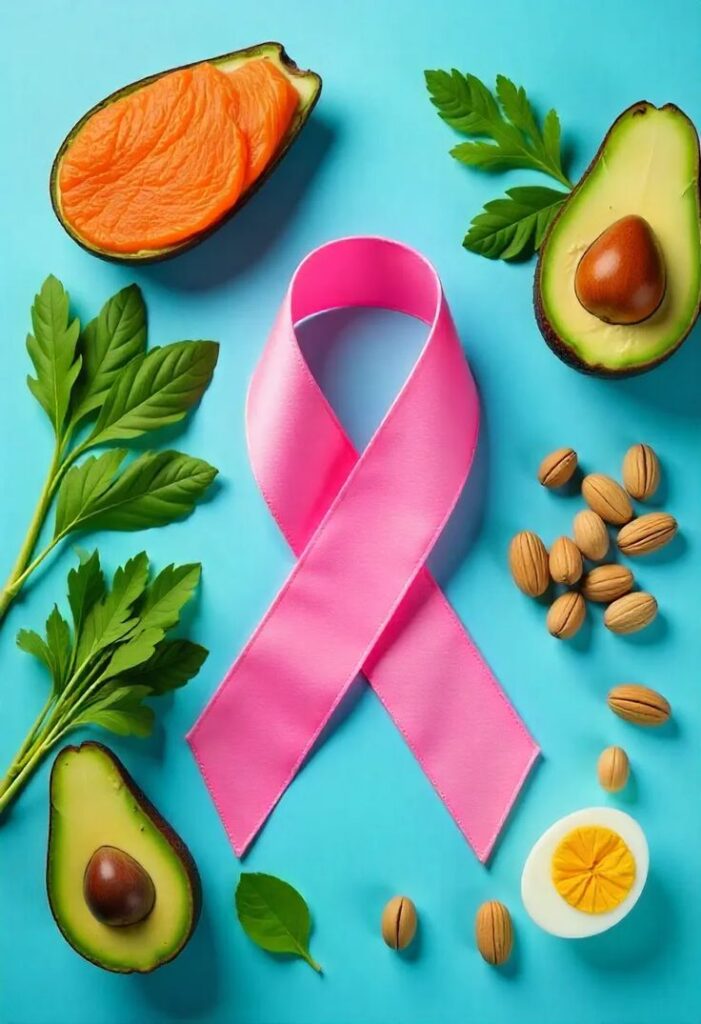
Completing cancer treatment is a powerful milestone — one that brings relief, hope, and a fresh sense of purpose. But even after successful treatment, many patients live with the fear of the cancer returning. This fear is natural, yet there is encouraging news: adopting the right lifestyle choices can significantly lower the risk of recurrence while improving overall health and emotional well-being.
At Cancer Care Pune, we have seen how small daily habits can make a big difference. Lifestyle changes do not replace medical follow-ups or treatments, but they strengthen the body, support recovery, and give patients more control over their long-term health.
Here are essential lifestyle choices that can help reduce cancer recurrence risks.
1. Maintain a Healthy, Balanced Diet
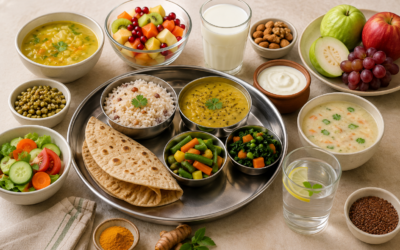
Food plays a powerful role in healing. After cancer treatment, the body needs nourishment to repair tissues, support immunity, and maintain strength.
A recurrence-preventive diet includes:
Fresh fruits and vegetables rich in antioxidants
Whole grains like oats, brown rice, and millets
Lean proteins such as beans, lentils, eggs, chicken, and fish
Healthy fats from nuts, seeds, and olive oil
High-fiber foods that promote healthy digestion
Avoiding processed foods, sugary snacks, deep-fried items, and excessive salt is equally important.
Patients should also stay hydrated by drinking adequate water throughout the day. A well-balanced diet fuels the body with nutrients that help fight inflammation, repair cells, and maintain strong immunity — all crucial factors in reducing cancer recurrence.
2. Stay Physically Active
Regular physical activity plays a major role in reducing recurrence risks. Exercise improves metabolism, balances hormones, reduces inflammation, and supports emotional health.
Incorporate activities such as:
Walking (30–40 minutes daily)
Light jogging or cycling
Yoga and stretching exercises
Strength training under guidance
Breathing exercises for relaxation
Patients do not need intense workouts. Even moderate daily activity can make a big difference. Movement keeps the body active, the mind positive, and the immune system strong.
Obesity is linked to the recurrence of several cancers, including breast, colorectal, and uterine cancers. Maintaining a healthy weight through proper diet and exercise is essential.
3. Maintain a Healthy Body Weight
Rather than focusing on quick or extreme diets, cancer survivors benefit from:
Long-term lifestyle changes
Balanced calorie intake
Slow and steady weight loss (if needed)
Reducing unhealthy snacking
Choosing nutrient-dense foods over heavy, fried dishes
Reaching a healthy weight takes time, and consistency matters more than speed.
4. Limit Alcohol and Avoid Tobacco Completely
Alcohol and tobacco significantly increase cancer recurrence risks.
Tobacco, in any form, damages healthy cells and can trigger new cancer growth.
Alcohol, even in small amounts, interferes with liver health, increases inflammation, and weakens the immune system.
Avoiding both is one of the most effective steps patients can take. Quitting may be challenging, but support groups, counseling, and medical guidance can help.
5. Manage Stress Effectively
Stress affects the body more deeply than most people realize. Long-term stress can weaken immunity, disrupt sleep, and worsen inflammation — all of which can negatively impact health.
Healthy stress-management practices include:
Meditation and deep breathing
Yoga
Mindfulness exercises
Listening to music or spending time in nature
Talking to a counselor or psychologist
Staying connected with supportive family and friends
A calm mind helps the body recover better.
6. Ensure Adequate Sleep
Sleep is a natural repair process. During restful sleep, the body restores energy, heals tissues, and strengthens the immune system.
Survivors should aim for 7–8 hours of uninterrupted sleep each night. Good sleep hygiene includes:
Reducing screen time before bed
Having a regular sleep schedule
Avoiding caffeine late in the evening
Creating a quiet and comfortable sleep environment
Quality sleep reduces fatigue, improves mood, and supports overall healing.
7. Attend Regular Follow-Up Appointments
Even with the best lifestyle habits, medical follow-ups remain essential to monitor health, track recovery, and detect any early signs of recurrence.
Regular follow-ups may include:
Blood tests
Imaging scans
Physical examinations
Review of symptoms
Medication adjustments
These visits also provide an opportunity to discuss concerns, track progress, and stay connected with your oncology care team.
8. Strengthen Immunity Through Healthy Habits
A strong immune system plays a key role in keeping recurrence risks low. To support immunity:
Eat a nutritious diet
Stay active
Manage stress
Sleep well
Get recommended vaccinations
Avoid infections by practicing hygiene
A healthy immune system helps the body identify and fight abnormal cell changes early.
9. Build a Positive, Supportive Environment
Healing happens faster when patients feel emotionally supported. Surrounding yourself with family, friends, support groups, or wellness communities can create a positive atmosphere that promotes mental and emotional strength.
Sharing experiences, fears, achievements, and challenges can reduce anxiety and help patients stay motivated on their healing journey.
Conclusion
Lifestyle choices play a powerful role in reducing cancer recurrence and improving long-term wellness. At Cancer Care Pune, Dr. Jagdish Shinde and his dedicated team support patients with personalized guidance, compassionate care, and evidence-based recommendations to help them live healthier, stronger, and more confident lives after treatment.
For consultations or lifestyle guidance after cancer treatment, visit:
Cancer Care Pune
Shop No. 305, Fortuna Business Center,
Wakad – Nashik Phata BRTS Road, Shivar Chouk,
Pimple Saudagar, Pimpri-Chinchwad, Maharashtra 411027
Phone: 098902 33887
Your journey after cancer matters — and with the right lifestyle choices, you can take meaningful steps toward long-term wellness.
Recent Posts
-
 “Will I Lose All My Hair?” A Patient-to-Patient Guide to Managing Hair Loss, Wigs, and Self-Esteem During Chemo.
 -
 How to Tell Your Family You Have Cancer: A Compassionate Guide to Having the Hardest Conversation of Your Life
 -
 Is Cancer Increasing in Young Adults? Here’s the Shocking Truth
 -
 Indian Diet Plan for Cancer Patients (Simple & Practical)
 -
 Can Cancer Be Detected in a Simple Blood Test Like a Liquid Biopsy?