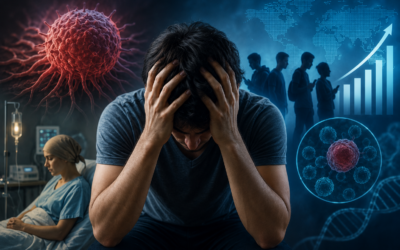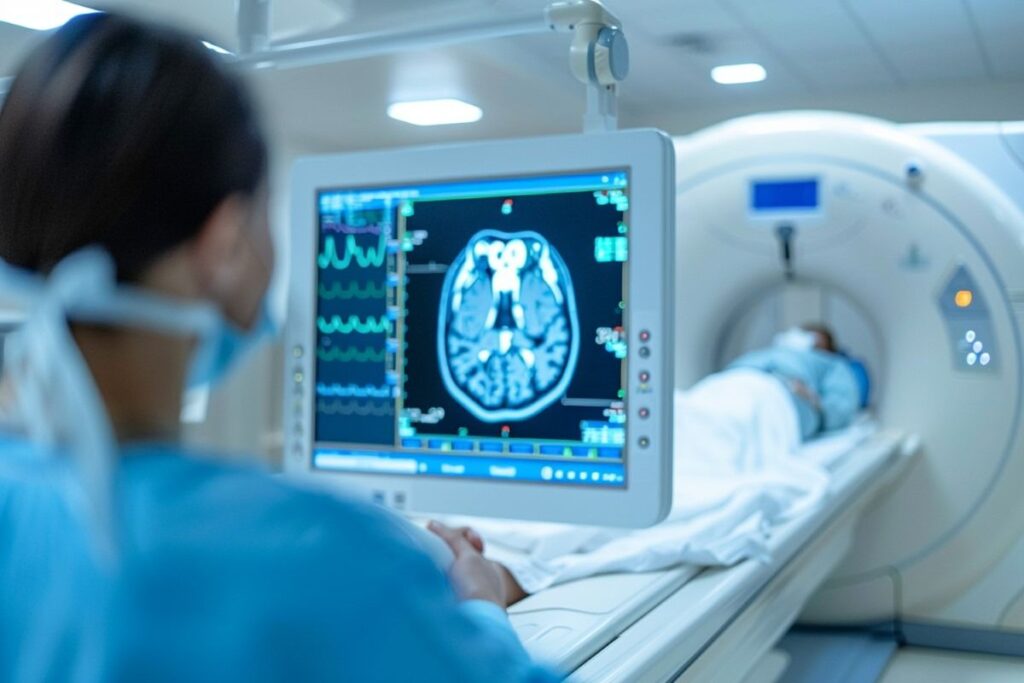
Radiation therapy is an important part of cancer treatment for many patients. It uses carefully controlled high-energy radiation to destroy cancer cells, shrink tumors, or stop cancer from spreading further. While this treatment is highly effective and widely trusted, it can sometimes cause side effects. Knowing what to expect helps patients feel prepared, supported, and confident during their treatment journey.
It is important to understand that radiation therapy side effects differ from person to person. Some patients experience mild discomfort, while others may notice more noticeable changes. These effects depend on the type of cancer, the area being treated, the length of treatment, and the patient’s overall health. With expert medical supervision, most side effects are temporary and manageable.
General Side Effects of Radiation Therapy
One of the most common side effects reported by patients is tiredness or fatigue. Unlike regular tiredness, radiation-related fatigue may not improve fully with rest. It often develops gradually during treatment and may continue for a short period after therapy ends. Light physical activity, proper nutrition, and adequate hydration can help reduce fatigue and improve energy levels.
Another frequently observed side effect is skin irritation in the treated area. The skin may appear red, dry, itchy, or sensitive. In some cases, the skin may darken or peel slightly. These changes occur because radiation affects both cancer cells and nearby healthy skin cells. Using gentle skincare products and following the doctor’s advice can help protect the skin and reduce discomfort.
Side Effects Based on Treatment Area
Radiation therapy side effects often depend on which part of the body is receiving treatment.
When radiation is given to the head and neck region, patients may experience dryness in the mouth, difficulty swallowing, mouth sores, or changes in taste. This happens because radiation can affect the salivary glands and the lining of the mouth and throat.
Patients receiving radiation to the chest area may develop a mild cough, chest tightness, or shortness of breath. Some may feel discomfort while swallowing if the esophagus is affected. These symptoms are usually temporary and improve after treatment is completed.
Radiation therapy directed at the abdomen or pelvic region may lead to nausea, loose stools, abdominal discomfort, or frequent urination. These symptoms occur because radiation can irritate the digestive tract or bladder. Medications, dietary adjustments, and proper hydration help control these effects effectively.
Emotional and Psychological Impact
Cancer treatment does not only affect the body but can also impact emotional well-being. Patients undergoing radiation therapy may feel anxious, overwhelmed, or emotionally drained. Long treatment schedules and fear of side effects can increase stress levels. Emotional support from family, counseling, and open communication with the treating doctor can make a significant difference in mental and emotional health.
Long-Term and Late Side Effects
Most radiation therapy side effects gradually improve within a few weeks after treatment ends. However, in some cases, late side effects may appear months or even years later. These depend on the radiation dose and the treatment area. Changes such as skin thickening, stiffness, or reduced organ function may occur in rare cases. Regular follow-up visits with an experienced radiation oncologist help monitor health and manage any long-term concerns early.
Managing Side Effects Effectively
Managing radiation therapy side effects starts with early reporting. Patients should inform their doctor about any discomfort, pain, or unusual symptoms as soon as they appear. Modern radiation techniques are highly advanced and designed to target cancer cells precisely, which helps protect healthy tissues and reduce unwanted effects.
Maintaining a balanced diet, drinking enough fluids, resting well, and following medical advice play a key role in staying comfortable during treatment. Choosing a specialized cancer center ensures that patients receive personalized care, advanced technology, and continuous support throughout therapy.
The Importance of Expert Cancer Care
Radiation therapy should always be planned and supervised by an experienced radiation oncologist. Expert care ensures accurate treatment delivery, effective cancer control, and proper management of side effects. A compassionate medical team helps patients feel safe, informed, and supported at every step of their treatment.
Conclusion
Radiation therapy is a powerful and proven cancer treatment that saves lives and improves outcomes for countless patients. While side effects can occur, they are usually temporary and can be managed effectively with expert medical care. At Cancer Care Pune, patients receive advanced radiation therapy combined with compassionate support, ensuring both safety and comfort throughout the treatment journey.
Dr. Jagdish Shinde
Radiation Oncologist – Cancer Care Pune
Short Address: Shop No. 305, Fortuna Business Center, Wakad–Nashik Phata BRTS Road, Shivar Chowk, Pimple Saudagar, Pimpri-Chinchwad, Maharashtra 411027
Phone: 098902 33887
Recent Posts
-
 “Will I Lose All My Hair?” A Patient-to-Patient Guide to Managing Hair Loss, Wigs, and Self-Esteem During Chemo.
 -
 How to Tell Your Family You Have Cancer: A Compassionate Guide to Having the Hardest Conversation of Your Life
 -
 Is Cancer Increasing in Young Adults? Here’s the Shocking Truth
 -
 Indian Diet Plan for Cancer Patients (Simple & Practical)
 -
 Can Cancer Be Detected in a Simple Blood Test Like a Liquid Biopsy?