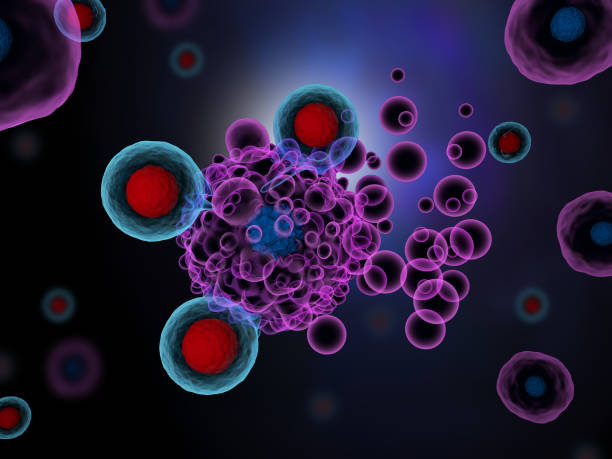
Treatment for cancer has seen tremendous strides in the past few years, going beyond the conventional chemotherapy, radiation, and surgery to newer, more innovative medicines that utilize the body’s own immune system. Of these, immunotherapy stands out as a pioneering method, giving new promises to sufferers of many types of cancers, including colon cancer.
What Is Immunotherapy?
Immunotherapy is an approach to cancer therapy that stimulates or restores the immune system’s own capability to recognize and destroy cancer cells.. In contrast to chemotherapy, which is an assault on rapidly growing cells, immunotherapy assists the body’s immune system in identifying cancer cells as foreign invaders and in launching a strong attack against them.
There are a number of different immunotherapy types, such as immune checkpoint inhibitors, cancer vaccines, monoclonal antibodies, and adoptive cell transfer therapies. These have transformed oncology by enhancing survival rate and quality of life in most patients.
Immunotherapy and Colon Cancer
Colon cancer or colorectal cancer is among the most prevalent cancers across the globe. Surgery, chemotherapy, and radiation are still the main forms of treatment, but with growing importance comes immunotherapy, particularly for advanced or metastatic cancer.
Checkpoint inhibitors, a type of immunotherapy, have provided encouraging outcomes in the treatment of colon cancers with certain genetic characteristics, including elevated microsatellite instability (MSI-H) or mismatch repair deficiency (dMMR). The genetic features make tumors acquire numerous mutations and thus become more detectable to the immune system.
Pembrolizumab and nivolumab, drugs that target immune checkpoints PD-1 or PD-L1, have received approval for use in MSI-H or dMMR metastatic colon cancer patients. These agents promote the “release of the brakes” on immune cells so that they can more effectively attack cancer cells. Immunotherapy has induced durable responses and long-term remission in some patients.
Expanding Applications Beyond Colon Cancer
Immunotherapy is not confined to colon cancer; it has proven useful in a broad spectrum of cancers, including:
Lung Cancer: Checkpoint inhibitors are a mainstay of treatment for a significant number of patients with non-small cell lung cancer (NSCLC), frequently used together with chemotherapy for better results.
Melanoma: Immunotherapy has made a huge difference in survival from advanced melanoma, a skin cancer previously hard to treat.
Bladder Cancer: Immune checkpoint inhibitors provide novel hope for patients with advanced bladder cancer, particularly those who are not able to tolerate chemotherapy.
Lymphomas and Leukemias: CAR-T cell therapy, a form of adoptive cell transfer, has revolutionized treatment for some blood cancers by modifying patients’ immune cells to recognize and destroy cancer cells more efficiently.
Benefits of Immunotherapy
Targeted Immune Activation: Immunotherapy specifically stimulates the immune system to attack cancer cells, while sparing most normal healthy cells, thus minimizing many side effects associated with chemotherapy.
Long-lasting Effects: Long-term remission or even cure is possible in some patients, as immunotherapy induces an immune memory that prevents recurrence of cancer.
Potential for Combination Therapy: Immunotherapy can be combined with chemotherapy, radiation, or targeted therapies to enhance overall treatment efficacy.
Challenges and Limitations
As promising as immunotherapy is, it does not benefit every patient or every cancer. Some of the challenges include:
Immune-Related Side Effects: Hyperactivation of the immune system leads to inflammation and normal tissue damage, including the lungs, liver, or gut. Treatment of these side effects takes specialized care.
Resistance: Tumors become able to evade immune attack, reducing the effectiveness of immunotherapy with time.
Cost: Immunotherapy therapies are costly, and this may restrict access for certain patients.
Continued research seeks to overcome these challenges by finding biomarkers for predictability of response, developing novel immunotherapies, and refining combination strategies.
The Future of Immunotherapy in Cancer Care
The use of immunotherapy for the treatment of colon and other cancers is expanding at a fast pace. New knowledge regarding the tumor microenvironment, immune system interactions, and genetic components is driving the development of more effective and highly individualized approaches to immunotherapy.
Clinical trials across the globe are investigating new strategies like vaccines, oncotic viruses, and targeted T-cell therapies. With these therapies being upgraded continuously, they can turn cancer into a chronic illness such as diabetes or even result in a cure.
Conclusion
Immunotherapy is perhaps the most thrilling frontier in cancer therapy, bringing promise to colon cancer patients and countless other malignancy sufferers. By strengthening the ability of the immune system to battle cancer, immunotherapy is enhancing survival rates and quality of life for millions of patients.
Summary
If you or a family member is diagnosed with colon cancer or any other type of cancer, speaking with your oncologist about immunotherapy possibilities can open the door to new treatments that may alter the direction of the illness.
Immunotherapy is changing the landscape of cancer treatment by enabling the immune system to recognize and destroy cancer cells more effectively. At Cancer Care Pune Clinic, Dr. Jadish Shinde and his expert team provide cutting-edge immunotherapy treatments tailored to each patient’s unique condition. From colon cancer to lung, melanoma, and blood cancers, immunotherapy is offering new hope, especially in advanced cases where traditional treatments may fall short. With fewer side effects and long-lasting results for many patients, immunotherapy is becoming a vital part of modern cancer care.
If you or a loved one is battling cancer, reach out to Cancer Care Pune Clinic to explore advanced immunotherapy options and receive personalized, compassionate care.
Recent Posts
-
 “Will I Lose All My Hair?” A Patient-to-Patient Guide to Managing Hair Loss, Wigs, and Self-Esteem During Chemo.
 -
 How to Tell Your Family You Have Cancer: A Compassionate Guide to Having the Hardest Conversation of Your Life
 -
 Is Cancer Increasing in Young Adults? Here’s the Shocking Truth
 -
 Indian Diet Plan for Cancer Patients (Simple & Practical)
 -
 Can Cancer Be Detected in a Simple Blood Test Like a Liquid Biopsy?